Police Workout Plan: A Comprehensive Guide (Updated December 2nd, 2026)
This detailed guide, updated today, December 2nd, 2026, provides a comprehensive fitness regimen tailored for aspiring UP Police Constables, referencing official eligibility criteria.
Policing is an inherently physically demanding profession, requiring officers to navigate unpredictable and often stressful situations. Daily duties extend far beyond routine patrols, encompassing pursuits, physical confrontations, evidence collection, and extended periods on foot.
The ability to react quickly, maintain stamina, and possess significant strength is not merely advantageous, but crucial for officer safety, effective crime prevention, and successful apprehension of suspects. A lack of physical preparedness can compromise an officer’s ability to protect themselves and the public.
Furthermore, the rigorous selection process for police constables, like those in Uttar Pradesh, includes demanding physical tests designed to assess a candidate’s baseline fitness. Therefore, a targeted workout plan isn’t just about passing the test; it’s about building a foundation for a long and healthy career in law enforcement, ensuring resilience and operational readiness throughout their service.
Why a Specialized Workout Plan is Crucial
Generic fitness routines often fall short of addressing the specific physical demands placed upon police officers. A specialized plan acknowledges the unique requirements – a blend of cardiovascular endurance, explosive power, functional strength, and agility – necessary for effective performance in the field.
Simply being “in shape” isn’t enough. A targeted program prepares candidates for the UP Police Constable physical standards, increasing their chances of success in the recruitment process. More importantly, it minimizes the risk of injury during training and on duty, fostering long-term physical well-being.
This isn’t about building bulk; it’s about developing practical strength and stamina. A well-structured plan will prioritize exercises that mimic real-world policing scenarios, enhancing an officer’s ability to respond effectively under pressure and maintain peak performance throughout their career.
Understanding the Physical Requirements
Meeting the UP Police Constable standards demands rigorous preparation; this section details the specific physical tests and benchmarks candidates must achieve for successful recruitment.
UP Police Constable Physical Standards (2026) ー Male
For male candidates applying in 2026, the Uttar Pradesh Police Recruitment and Promotion Board (UPPRPB) mandates specific physical standards. A minimum height of 168 cm (5’6”) is required for General/OBC candidates, while the height requirement is relaxed to 165 cm (5’5”) for Scheduled Castes and Scheduled Tribes.
The physical measurement test includes a 25-meter race, which must be completed in 3 minutes. Candidates must also demonstrate their ability in a long jump, clearing a distance of 3.65 meters. Furthermore, a high jump of 1.6 meters is necessary.
Crucially, the physical endurance test requires candidates to cover a distance of 4.8 kilometers within 30 minutes. These standards are non-negotiable and form a critical part of the selection process, demanding dedicated training and preparation to ensure success.
UP Police Constable Physical Standards (2026) ー Female
The UPPRPB sets distinct physical standards for female candidates aspiring to become UP Police Constables in 2026. A minimum height of 157 cm (5’2”) is required for General/OBC applicants, with a slightly relaxed standard of 155 cm (5’1”) for Scheduled Castes and Scheduled Tribes.
The physical measurement test for women includes a 25-meter race to be completed within 4 minutes. A long jump clearance of 2.75 meters is also required, alongside a high jump of 1.2 meters.
The endurance component demands the completion of a 2.4-kilometer run within 14 minutes. Meeting these standards is essential for progression in the recruitment process, necessitating a focused and tailored fitness plan to build the necessary strength and stamina.
Common Physical Tests: A Breakdown
The UP Police Constable recruitment process incorporates several key physical tests designed to assess a candidate’s suitability for demanding law enforcement duties. These tests evaluate speed, endurance, and agility – crucial attributes for effective policing.
Candidates will face a 25-meter sprint, requiring explosive power and acceleration. A long jump tests lower body strength and coordination, while the high jump assesses vertical leap and technique. Crucially, a 2.4-kilometer run gauges cardiovascular fitness and stamina, simulating the physical demands of the job.
Preparation should focus on interval training for speed, plyometrics for jump height, and consistent long-distance running to build endurance. Understanding the specific requirements of each test is paramount for targeted training and maximizing performance.
Workout Plan Components: Building a Foundation
This section details the core elements – cardiovascular endurance and strength training – essential for building a robust physical base for police work readiness.
Cardiovascular Endurance Training
Cardiovascular fitness is paramount for police officers, demanding sustained exertion during patrols, chases, and confrontations. A robust cardiovascular system enhances stamina, reduces fatigue, and accelerates recovery. This training component focuses on improving the body’s ability to efficiently deliver oxygen to working muscles;
Consistent aerobic exercise forms the bedrock of this training. Activities like running, swimming, cycling, and brisk walking are highly effective. The intensity and duration should progressively increase over time to challenge the cardiovascular system and promote adaptation. Remember to incorporate warm-up and cool-down periods to minimize injury risk.
Beyond steady-state cardio, incorporating interval training is crucial. This involves alternating between high-intensity bursts and periods of lower-intensity recovery, mimicking the unpredictable demands of police work. This method significantly improves both aerobic and anaerobic capacity, vital for peak performance.
Running Programs for Police Fitness
Running is a cornerstone of any effective police fitness program, directly translating to improved performance in field scenarios. A structured running program should incorporate various types of runs to build a well-rounded base.
Begin with a base-building phase, focusing on consistent, moderate-paced runs to increase mileage gradually. This establishes aerobic capacity and strengthens supporting muscles. Progress to incorporating tempo runs – sustained efforts at a comfortably hard pace – to improve lactate threshold. Interval training, with alternating high-intensity sprints and recovery jogs, is vital for replicating chase scenarios.
Long runs, performed at a conversational pace, build endurance. Hill repeats enhance leg strength and cardiovascular power. Don’t neglect proper form and footwear to prevent injuries. A sample week might include a long run, a tempo run, interval training, and a recovery run.
Interval Training for Enhanced Performance
Interval training is paramount for police fitness, mirroring the unpredictable bursts of activity inherent in law enforcement duties. This method alternates between high-intensity bursts and brief recovery periods, dramatically improving both aerobic and anaerobic capacity;
Beginner intervals could involve 30-second sprints followed by 60-second recovery jogs, repeated 8-10 times. As fitness improves, increase sprint duration to 60-90 seconds and reduce recovery time. Incorporate varied terrain, like hills, to add resistance. Ladder intervals – increasing sprint duration with each repetition – are also effective.
Proper warm-up and cool-down are crucial. Focus on maintaining good form during sprints to prevent injury. Interval training enhances speed, agility, and the ability to recover quickly, essential for real-world police scenarios. Remember to listen to your body and adjust intensity accordingly.
Strength Training: Essential Muscle Groups
For police work, strength training isn’t about bulk; it’s about functional strength and endurance. Key muscle groups to prioritize include legs, core, back, and grip. Strong legs are vital for pursuits, foot patrols, and maintaining stability during confrontations;
A robust core provides stability and power transfer for all movements. Back strength is crucial for lifting, carrying equipment, and maintaining proper posture. Grip strength is often overlooked but essential for weapon retention and controlling subjects.
Exercises should focus on compound movements – those working multiple muscle groups simultaneously – like squats, deadlifts, lunges, push-ups, and pull-ups. Incorporate exercises specifically targeting grip, such as farmer’s walks and dead hangs. Prioritize proper form over lifting heavy weights to minimize injury risk.
Bodyweight Exercises for Police Candidates
Bodyweight exercises are incredibly effective and accessible, requiring no equipment – a significant advantage for training anywhere. Push-ups build upper body strength, crucial for grappling and self-defense. Squats and lunges develop lower body power for running and agility. Plank variations strengthen the core, enhancing stability and injury prevention.
Burpees are a fantastic full-body exercise improving cardiovascular fitness and muscular endurance. Pull-ups (if a bar is available) target back and biceps, essential for climbing and pulling. Focus on maintaining proper form throughout each exercise to maximize effectiveness and minimize risk.
Incorporate these into circuits, performing each exercise for a set time or repetitions, with minimal rest between exercises. This mimics the unpredictable demands of police work.
Weightlifting for Strength and Power
Supplementing bodyweight training with weightlifting is vital for developing the strength and power required for police duties. Focus on compound exercises that work multiple muscle groups simultaneously. Squats, deadlifts, and bench presses are foundational for overall strength.
Overhead presses build shoulder strength, important for maintaining control in physical altercations. Incorporate Olympic lifts like cleans and snatches (with proper instruction) to develop explosive power. Prioritize proper form over lifting heavy weight to prevent injuries.
A well-structured weightlifting program should include progressive overload, gradually increasing the weight or resistance over time. Aim for 3-4 weightlifting sessions per week, allowing for adequate recovery between sessions.
Specific Exercise Routines
This section details a phased workout plan, spanning twelve weeks, designed to progressively build endurance, strength, and power for optimal police fitness preparation.
Week 1-4: Building Endurance & Basic Strength
The initial four weeks focus on establishing a solid foundation of cardiovascular endurance and fundamental strength. Begin with three runs per week, alternating between steady-state runs of 30-45 minutes at a conversational pace and shorter, faster interval sessions.
Strength training should prioritize bodyweight exercises performed three times weekly. Include exercises like push-ups (modified if needed), squats, lunges, planks, and crunches, aiming for 3 sets of 12-15 repetitions.
Focus on proper form over quantity. Incorporate active recovery days with light activities like walking or yoga. This phase aims to prepare your body for more intense training, minimizing injury risk and building a base level of fitness crucial for success. Remember consistent effort is key during these initial weeks.
Week 5-8: Increasing Intensity & Power
Weeks five through eight demand a significant increase in workout intensity and a shift towards power development. Running should now include longer interval sessions – for example, 800m repeats with recovery jogs – and one longer run exceeding 60 minutes.
Introduce weightlifting two to three times per week, focusing on compound exercises like squats, deadlifts, bench press, and overhead press. Aim for 3-4 sets of 6-8 repetitions with a weight that challenges you.

Continue bodyweight exercises, increasing repetitions or adding variations. Plyometrics, such as box jumps and burpees, should be incorporated to enhance explosive power. Prioritize proper form and listen to your body, adjusting the weight or intensity as needed to prevent injury.
Week 9-12: Peak Performance & Test Preparation
These final four weeks are dedicated to peaking for the physical tests. Reduce volume slightly, but maintain or even slightly increase intensity. Running should mimic test conditions – practice the 1.6km run at target pace multiple times. Incorporate sprint work to improve speed.
Weightlifting should focus on power and maintaining strength; reduce repetitions to 3-5 per set, increasing weight where possible. Continue plyometrics, but prioritize quality over quantity.

Crucially, include practice runs of the complete physical test sequence. Simulate the environment and timing. Prioritize recovery and nutrition. This phase is about refining your fitness and building confidence for a successful performance on test day.
Nutrition for Optimal Performance
Proper nutrition fuels training and recovery, vital for police work demands. Focus on a balanced diet supporting energy levels, muscle repair, and overall well-being.
Macronutrient Breakdown for Police Fitness
Achieving peak physical condition for police duties requires a carefully calibrated macronutrient intake. Carbohydrates, comprising 45-55% of daily calories, are the primary energy source, fueling intense training sessions and operational demands. Prioritize complex carbohydrates like whole grains, fruits, and vegetables for sustained energy release.
Protein, constituting 25-35% of daily intake, is crucial for muscle repair, growth, and maintaining lean body mass. Excellent sources include lean meats, poultry, fish, eggs, and plant-based proteins like beans and lentils. Fats, making up 20-30% of calories, support hormone production, nutrient absorption, and overall health. Opt for healthy fats found in avocados, nuts, seeds, and olive oil.
Individual needs vary based on training intensity, body composition, and metabolic rate. Consulting a registered dietitian can help personalize a macronutrient plan for optimal performance and recovery, ensuring you’re adequately fueled for the rigorous demands of police work.
Hydration Strategies for Training & Duty
Maintaining optimal hydration is paramount for police officers, impacting both physical performance and cognitive function. Dehydration significantly impairs strength, endurance, and decision-making abilities – critical in high-stress situations. Prioritize consistent fluid intake throughout the day, not just during workouts.
During training, consume approximately 7-10 ounces of water every 15-20 minutes. Electrolyte drinks can be beneficial for longer, more intense sessions to replenish lost sodium and potassium. On duty, carry a water bottle and sip regularly, especially in hot or humid conditions. Monitor urine color – pale yellow indicates adequate hydration, while dark yellow suggests dehydration.
Avoid sugary drinks and excessive caffeine, as they can contribute to dehydration. Proper hydration isn’t just about quantity; it’s about consistent replenishment to support peak performance and safeguard health.
Injury Prevention & Recovery
Proactive injury prevention, alongside effective recovery techniques, is crucial for sustaining a rigorous training schedule and maintaining operational readiness for police duties.
Common Police Workout Injuries & Prevention
Police training, demanding by nature, predisposes officers to specific injuries. Common ailments include sprains and strains, particularly in the ankles, knees, and lower back, stemming from running, jumping, and grappling. Shoulder impingement and rotator cuff injuries are frequent due to the physical demands of self-defense techniques and equipment carry. Shin splints and stress fractures can occur from high-impact running on hard surfaces.
Prevention centers around proper warm-up routines, incorporating dynamic stretching before workouts and static stretching afterward. Strength training focusing on core stability and supporting muscle groups is vital. Gradual progression of exercise intensity minimizes overload. Appropriate footwear and supportive gear are essential. Listening to your body and addressing pain promptly, rather than pushing through it, is paramount. Regular foam rolling and myofascial release can help maintain muscle flexibility and prevent tightness.
Active Recovery Techniques
Active recovery is crucial for police officer fitness, differing from complete rest. Low-intensity activities promote blood flow, aiding muscle repair and reducing soreness. Examples include light jogging, swimming, or cycling for 20-30 minutes post-intense training. Yoga and Pilates enhance flexibility, balance, and core strength, vital for injury prevention and overall performance.
Foam rolling and self-myofascial release target muscle knots and improve tissue quality. Contrast therapy – alternating between hot and cold applications – reduces inflammation and muscle spasms. Epsom salt baths can soothe sore muscles due to magnesium content. Prioritize sleep; 7-9 hours nightly is essential for recovery and hormone regulation. Proper nutrition, focusing on protein intake, supports muscle rebuilding. Hydration is key; replenish fluids lost during training.
Resources & Further Information
Access the UPPRPB official website for recruitment details and downloadable PDFs, alongside recommended police fitness guides for comprehensive training support.
UPPRPB Official Website & Recruitment Notices
The Uttar Pradesh Police Recruitment and Promotion Board (UPPRPB) website is the primary source for all official information regarding the UP Police Constable recruitment process. Regularly checking upprpb.up.nic.in is crucial for candidates preparing for the physical standards and tests.
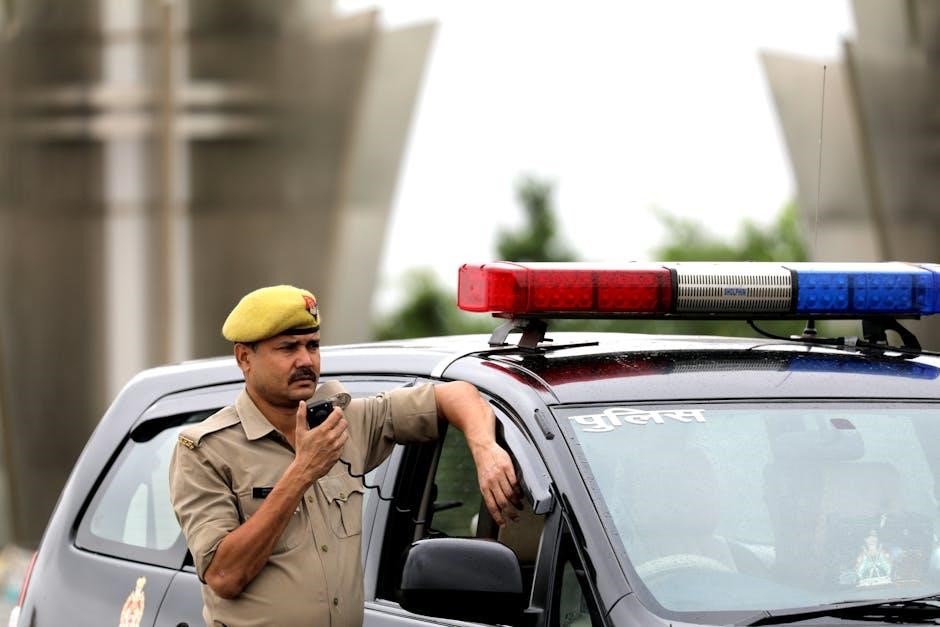
This website hosts vital recruitment notices, including detailed announcements about exam dates, syllabus, and most importantly, the official eligibility criteria. Candidates should meticulously review the published notifications to ensure they meet all requirements. The UPPRPB frequently updates the website with important information, so consistent monitoring is highly recommended.
Specifically, look for downloadable PDFs outlining the physical measurement tests (PMT) and physical endurance tests (PET) standards. These documents will detail the exact requirements for running, long jump, high jump, and other physical assessments. Understanding these standards is paramount for effective training and preparation. Don’t rely on third-party sources; always verify information with the official UPPRPB website.
Recommended Police Fitness PDFs & Guides
While the UPPRPB website provides core requirements, supplementary resources can significantly enhance your training. Several publicly available PDFs and guides offer structured police fitness programs. These resources often detail specific workout routines designed to improve cardiovascular endurance, strength, and agility – all vital for success in the UP Police Constable physical tests.
Look for guides focusing on functional fitness, emphasizing exercises that mimic real-world policing scenarios. Many law enforcement agencies nationwide publish their fitness standards and training materials, offering valuable insights. Remember to critically evaluate any external resource, ensuring it aligns with the UPPRPB’s published standards.
Prioritize PDFs from reputable sources, such as established fitness organizations or law enforcement training academies. These guides can provide sample workout schedules, injury prevention tips, and nutritional advice. Always consult with a healthcare professional before starting any new fitness program.