Goalkeeper Training Drills PDF Overview
Goalkeeper training drills PDFs compile drills for technical skill, distribution, shot‑stopping, positioning, agility, strength, and conditioning. They provide step‑by‑step instructions, video links, and progression charts, enabling coaches to tailor sessions and track progress;
PDFs are downloadable, printable,and customizable.
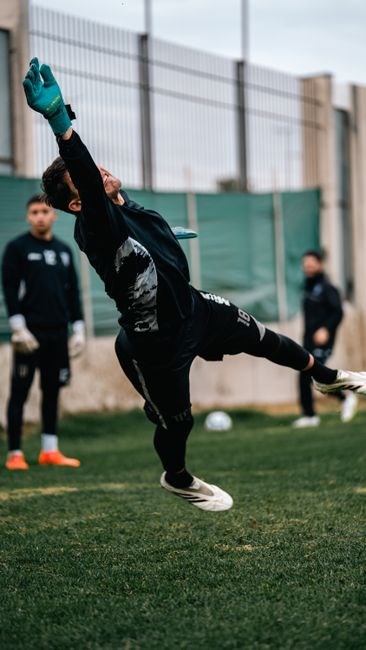
Components of an Effective PDF
Effective PDFs blend clear layout, concise drill descriptions, visual aids, measurable objectives, progression charts, and downloadable resources. They integrate technical, distribution, shot‑stopping, positioning, agility, strength, and conditioning modules. Include assessment rubric for eachdrill.
Technical Skill Development
Goalkeeper technical drills focus on hand‑equality, footwork, and body positioning. PDFs present step‑by‑step routines that emphasize: catching, punching, diving, and rebound control. Each drill includes a brief description, required equipment, recommended repetitions, and a progress bar for skill level. Coaches can adjust distance, ball speed, and angle to match the player’s development stage.
- Hand‑equality drills – alternating catch and release from varied angles to build ambidexterity.
- Footwork patterns – ladder, dot, and side‑step sequences that reinforce quick lateral movement.
- Body positioning – wall‑to‑wall exercises that teach optimal dive angles and body spread.
- Rebound control – controlled shots from a rebound machine to practice first touch and decision making.
- Reaction time – random light cues paired with ball drops to sharpen reflexes.
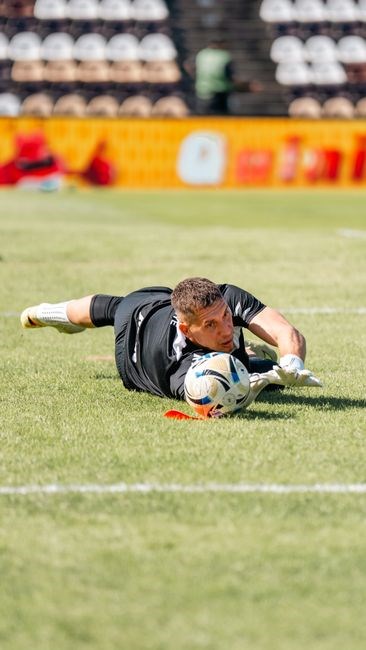
Each drill is accompanied by a video link and a printable checklist. The PDF also offers a “skill progression matrix” that maps each drill to a skill level (Beginner, Intermediate, Advanced). This structure allows goalkeepers to self‑assess and set measurable goals. Coaches can annotate the PDF with player names, dates, and comments, turning it into a dynamic training log. Print, annotate, and share with the squad to foster continuous improvement ensuring every session builds toward peak performance !
Distribution and Throwing Techniques
Goalkeepers must master short‑range passes, long throws, and accurate distribution to launch counter‑attacks. PDFs outline drills that target foot‑to‑ball contact, body balance, and decision speed. Each routine includes a concise description, required equipment, recommended sets, and a progression chart. Coaches can tailor the distance, target size, and ball type to match the player’s level.
- Short‑range passing – wall‑to‑wall or cone drills that focus on first touch and accuracy.
- Long‑throw accuracy – target zones on the opposite side of the field, emphasizing arm swing and follow‑through.
- Throw‑to‑corner – timed throws to specific corner markers to improve speed and placement.
- Decision‑making under pressure – 2‑v‑1 or 3‑v‑1 scenarios where the keeper must choose the safest outlet.
- Distribution under duress – simulated pressure from attackers to practice quick releases.
Each drill pairs with a video clip and a printable checklist. The PDF includes a distribution skill matrix mapping drills to levels (Beginner, Intermediate, Advanced). Coaches annotate with names, dates, turning into a training log. Print, annotate, share with squad to foster improvement, ensuring session builds toward distribution
Shot‑Stopping Mechanics
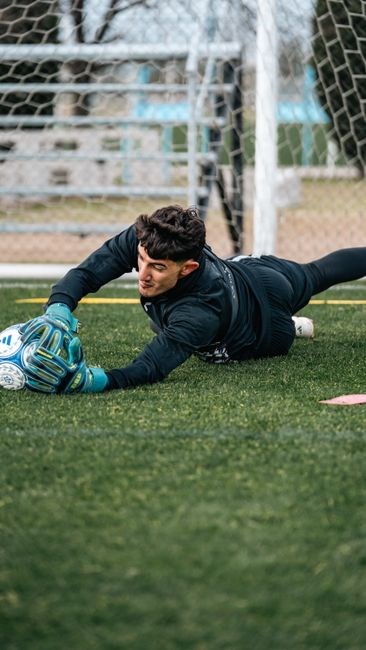
Shot‑stopping drills in PDF format break down the keeper’s core actions: positioning, reaction, diving, and glove work. Each routine is paired with a video demonstration, a step‑by‑step guide, and a progression chart that scales difficulty from basic to elite. Coaches can print the PDF, mark progress, and adapt the drills to match the team’s tactical philosophy;
- Positioning drills – static and dynamic exercises that teach optimal angles, foot placement, and body orientation relative to the ball and the goal line.
- Reaction time training – random light cues, ball‑drop tests, and rapid‑fire shots to sharpen reflexes and decision speed.
- Diving technique – progressive drills focusing on hand‑to‑body contact, knee‑to‑knee alignment, and safe landing mechanics.
- Glove work – high‑speed ball handling, fingertip control, and multi‑ball drills to build consistency under pressure.
- High‑ball control – timing, reach, and safe handling of crosses and long passes.
The PDF includes a printable checklist, a recommended set count, and a “next step” suggestion for each drill. It also offers a comparative table of elite goalkeepers’ shot‑stopping metrics, providing a benchmark for players to aim toward. Coaches can use the weekly template to record drill names, reps, and feedback notes, turning the PDF into a dynamic training log. The guide highlights injury‑prevention exercises for core, hips, and shoulders, ensuring safe progression. Video analysis instructions help coaches review keeper performances, identify technical gaps, and reinforce correct mechanics. By integrating these drills, goalkeepers improve their ability to read the game, react swiftly, and execute clean saves.
Customizable!!
Positional Awareness and Communication
Goalkeeper PDFs that focus on positional awareness and communication provide a structured framework for teaching the keeper to read the field, maintain optimal depth, and direct the defense. Each section contains a brief theory, a set of drills, and a printable checklist. The PDF emphasizes three core concepts: spatial judgment, verbal cues, and non‑verbal signals.
- Spatial judgment drills – static line‑up, dynamic zone marking, and reaction‑to‑pass exercises that teach the keeper to anticipate attackers’ routes and adjust depth accordingly.
- Verbal cue training – short, clear commands (“high”, “low”, “right”, “left”), timed shout drills, and role‑play scenarios that reinforce quick, accurate communication with defenders.
- Non‑verbal signal drills – hand‑signals, eye contact, and body orientation practices that help the keeper convey intent when verbal communication is limited.
The PDF includes a “communication audit” template where coaches can score clarity, timing, and impact after each session. It offers a comparison table of elite keepers’ communication patterns, allowing players to benchmark their own style. Video clips illustrate correct and incorrect cues a “do’s and don’ts” list highlights pitfalls. By integrating these drills into training, goalkeepers develop a second‑nature ability to organize the backline, reduce defensive errors, and maintain a cohesive defensive shape.-improve
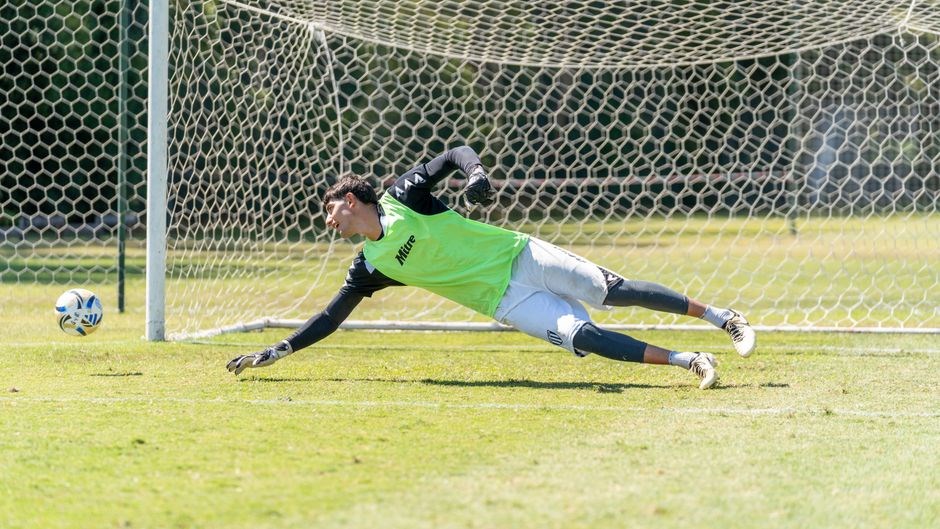
Agility and Footwork Drills
Goalkeeper PDFs dedicated to agility and footwork present a systematic progression of drills that sharpen lateral movement, explosive starts, and recovery speed. The layout follows a three‑phase model: warm‑up, skill drills, and game‑like scenarios. Each drill is accompanied by a concise description, a set of measurable performance metrics, and a printable progress log.
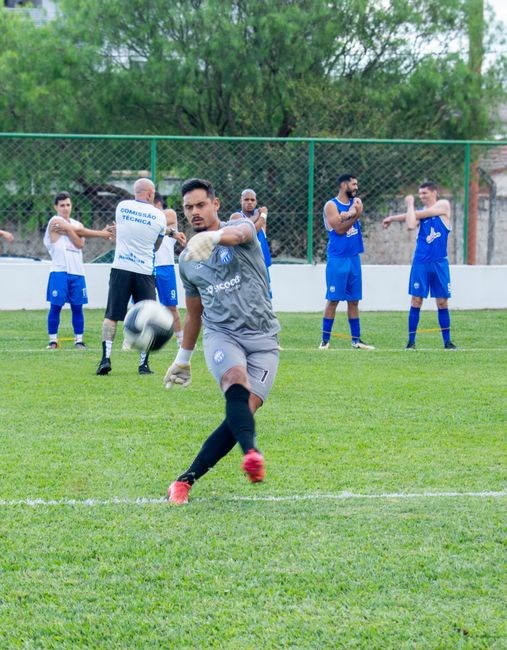
- Dynamic ladder sequences – two‑foot, one‑foot, and side‑step patterns that improve coordination and foot speed. The PDF recommends 3 sets of 10 reps, focusing on quick transitions.
- Box‑to‑box sprints – 5‑meter bursts from the goal line to the penalty spot and back, emphasizing acceleration and deceleration. A timing device is suggested to track improvement.
- Defensive shuffle drills – 8‑meter shuffles with a partner’s ball to simulate opponent pressure. The keeper must maintain a low center of gravity and execute a 180° pivot.
- Reaction cone drills – cones placed at 45° angles; the keeper reacts to a coach’s verbal cue to move left, right, or forward. This develops split‑second decision making.
The PDF’s footwork intensity chart provides a progression ladder, from basic cone drills to full‑field scenarios. Coaches can adjust load by adding obstacles, reducing rest intervals, or incorporating ball control, and annotate the chart to tailor sessions for different age groups!!.
Strength and Conditioning Guidelines
Goalkeeper PDFs outline a strength plan that balances power, stability, and recovery. The program is divided into four phases: foundational, hypertrophy, power, and maintenance. Each phase lists specific exercises, sets, reps, and load progression.
Foundational phase focuses on core stability, balance, and mobility. Exercises such as planks, bird‑dogs, single‑leg Romanian deadlifts, and hip‑abductor bands are prescribed 3×12 with 60‑second rest. Mobility drills target ankle dorsiflexion, thoracic rotation, and hip flexor stretch.
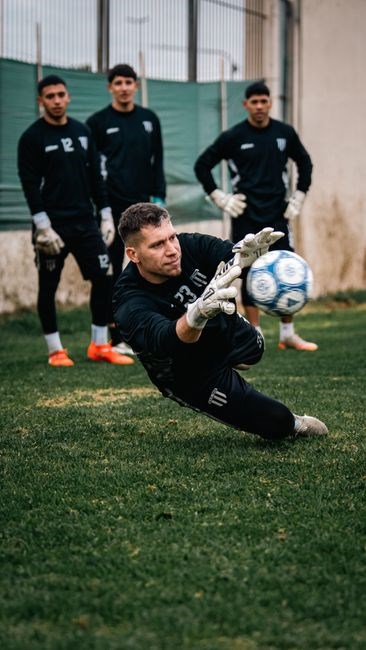
Hypertrophy phase increases volume to 4×10–12 reps, incorporating lifts like goblet squats, kettlebell swings, and medicine‑ball slams. Reps are 3×8–10, with 90‑second rest, and load is increased by adding weighted vests or resistance bands.
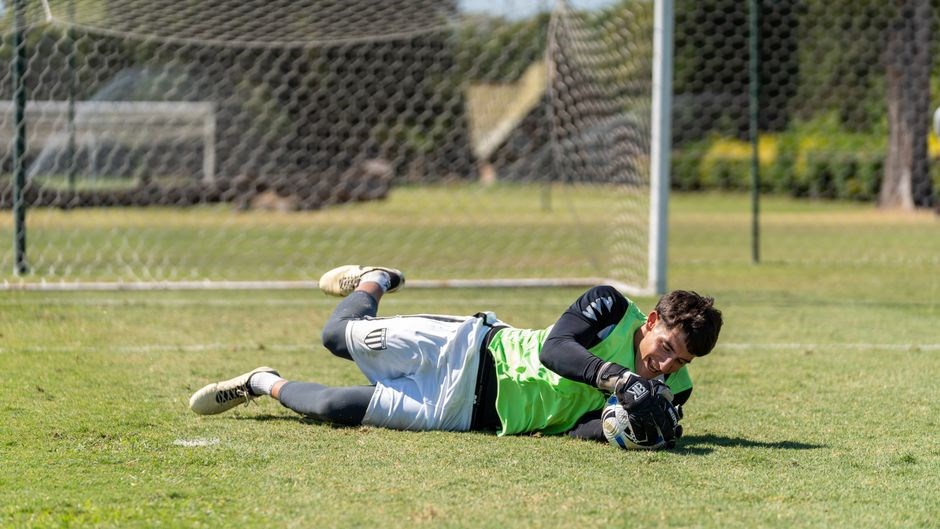
Power phase introduces plyometrics: depth jumps, box jumps, and lateral bounds. Reps are 3×6, with 90‑second rest. The load is increased by adding weighted vests or resistance bands, and the keeper must maintain a strength and injury prevention.
Maintenance phase reduces volume to 3×8, focusing on functional strength injury prevention. Core drills are integrated with reactive ball passes to simulate match demands.
Each PDF includes a weekly template, a load‑monitoring sheet, and a recovery protocol featuring foam‑rolling, dynamic stretching, and adequate sleep. Coaches can adjust the template based on athlete age, competition schedule, and individual response to training load. load.!!
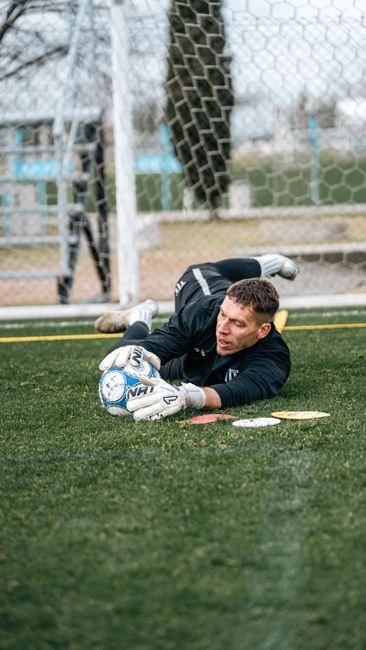
Top PDF Resources and Download Platforms
Official FA, UEFA, and national federation sites offer free PDFs. Premium guides are on ProGoalkeeper.com and GoalkeeperHub.org. Use bookmarks to quickly locate drills, tips, and progress charts for efficient training. Organized by skill level and
Official Football Association Guides
The English Football Association (FA) publishes a goalkeeper training PDF titled “Goalkeeper Development Programme” detailing age‑specific drills, technical progression, and conditioning benchmarks. The PDF is freely downloadable from the FA website and includes illustrated diagrams, video links, and a drill sheet. UEFA’s “Goalkeeper Handbook” is an authoritative source, offering a 120‑page guide covering distribution, shot‑stopping, and positional play; It is available in PDF format on the UEFA Coaching portal and is updated annually to reflect tactical evolutions. National associations such as the German DFB, Spanish RFEF, and Italian FIGC provide localized versions, often translated into the native language and featuring country‑specific coaching philosophies. These official PDFs are vetted by national coaching staff, ensuring alignment with FIFA technical guidelines. Coaches can download, print, and embed the sheets into weekly training plans. By integrating these resources, coaches access drills, skill ladders, and compliance with international standards, elevating goalkeeper development at all levels!!!!!!
- Age‑specific drill progression for U12‑U18.
- Illustrated diagrams for hand positioning.
- Video links embedded via QR codes.
- Conditioning guidelines for core stability.
!!
To download the PDFs, visit the FA or UEFA coaching portals, register with an email, and navigate to the “Resources” section. Once downloaded, the files can be opened with PDF reader, printed in A4 size, and annotated with coaching notes. Many clubs use coaching platforms that import the PDFs, allowing updates. Official PDFs are audited by technical committees, ensuring content remains current with evolving tactical trends and injury‑prevention research!!!
Club‑Specific Training Manuals
Top professional clubs release proprietary goalkeeper PDFs that reflect their tactical identity. For example, FC Barcelona’s “Goalkeeper Academy Manual” focuses on playing out from the back, featuring drill sequences for short‑range distribution, footwork, and decision‑making under pressure. Manchester United’s guide emphasizes high‑line positioning, with exercises on diving technique, rebound control, and aerial command. Real Madrid’s manual integrates advanced video analysis, allowing goalkeepers to review match footage and adjust positioning in real time. These documents are typically available only to club staff, but many are shared on private coaching portals or through club‑partnered academies. The PDFs contain drill schematics, progression tables, and performance metrics aligned with the club’s coaching philosophy. Coaches can adapt the drills to suit age groups, ensuring a seamless transition from youth to senior levels. By embedding club‑specific drills into practice, goalkeepers internalize the team’s playing style and develop the technical repertoire required to execute the tactical plan on match day. These manuals also incorporate video feedback loops, allowing goalkeepers to analyze their positioning and reaction times in real‑time scenarios, thereby fostering continuous improvement. Such resources are regularly updated to reflect evolving defensive strategies, ensuring that goalkeepers remain at the forefront of a football tactics.
Independent Coaching Websites
Independent coaching sites have become a cornerstone for goalkeepers seeking tailored PDF resources. Sites such as GoalkeeperCoach.com offer downloadable drill sheets that cover technical skill, distribution, shot‑stopping, and conditioning. Each PDF is organized by difficulty level, with clear diagrams, video links, and measurable performance indicators. These platforms often feature user forums where coaches exchange feedback, modify drill parameters, and share success stories.
Another prominent resource is KickerGoalie.com, which provides a library of PDF modules focused on agility, footwork, and positional awareness. Their “Progression Matrix” allows coaches to map a goalkeeper’s development over a season, ensuring that drills evolve in tandem with skill acquisition. Additionally, GoalkeeperAcademy.org hosts a community‑driven repository of PDFs, including free templates for shot‑stopping drills, distribution drills, and strength conditioning plans; These PDFs are often updated quarterly to reflect the latest research on goalkeeper biomechanics and injury prevention. Coaches can customize the templates by adding team‑specific tactics or integrating club‑specific metrics.
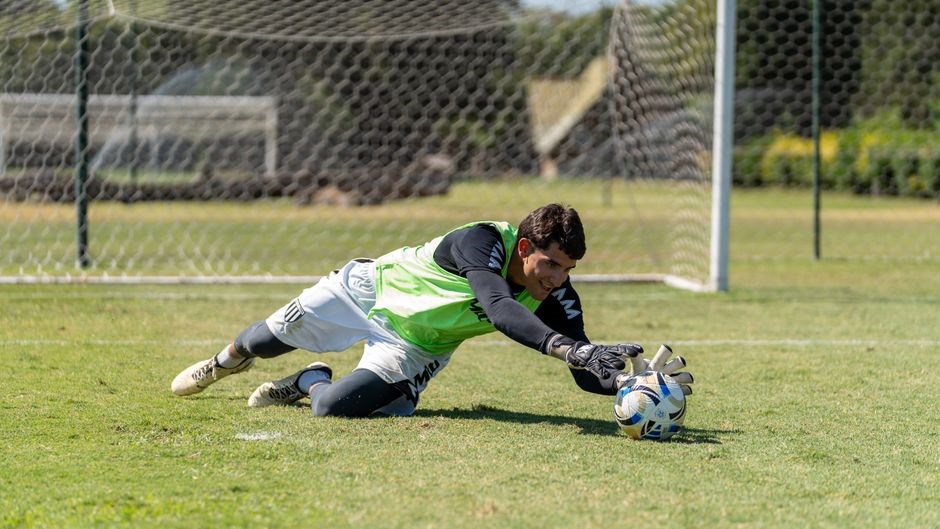
Moreover, independent sites often partner with sports science labs to incorporate biomechanical analysis into their PDFs. For instance, SportScienceGoalie;com provides PDFs that include motion‑capture data, allowing goalkeepers to compare their dive angles and reaction times against elite benchmarks. The PDFs also contain injury‑prevention checklists, ensuring that training loads are balanced with recovery protocols. Many of these sites offer subscription models that grant access to a curated library of PDFs, video tutorials, and live webinars hosted by former professional goalkeepers and certified coaches. This combination of static PDFs and dynamic learning tools creates a comprehensive ecosystem for goalkeeper development that is both accessible and evidence‑based.
Integrating PDF Drills into Practice Sessions
Integrate PDF drills by mapping each session to a PDF module. Begin with a 10‑min warm‑up, then use the PDF’s step‑by‑step drill sequence. Record performance, adjust difficulty, and finish with a 5‑minute cool‑down. This structure ensures consistency and measurable progress. Add a debrief, review. Now!
Warm‑Up and Cool‑Down Protocols
Warm‑up and cool‑down are critical for goalkeepers, who rely on explosive power, hand‑eye coordination, and mental focus. A 10‑minute dynamic warm‑up should begin with light jogging, followed by high‑knee marches, butt kicks, and lateral shuffles to elevate heart rate. Incorporate arm circles, shoulder rolls, and wrist flexion drills to mobilize the upper body. Add short sprints and agility ladder sequences that mimic in‑game movements, ensuring the keeper’s legs are primed for quick pivots and dives.
Transition to technical drills by performing a series of short, controlled passes and catching exercises, using the PDF’s step‑by‑step guidelines. This phase reinforces distribution while keeping the keeper’s body in motion. Finish the session with a 5‑minute cool‑down: gentle stretching of the shoulders, elbows, wrists, hips, and hamstrings. Include static holds for 20–30 seconds each, focusing on breathing and muscle relaxation. Finish with a brief mental debrief, reviewing key takeaways from the PDF drills and setting goals for the next practice.
During the cool‑down, incorporate proprioceptive drills such as single‑leg balance on a BOSU ball, and perform dynamic stretches like the pigeon pose and the seated hamstring stretch. These exercises enhance joint stability and reduce injury risk. End the session with a 3‑minute mindfulness routine: deep diaphragmatic breathing, visualization of successful saves, and a quick review of the PDF’s key metrics.
Key takeaways: consistenc
Progression and Difficulty Scaling
Progression in goalkeeper training PDFs is structured around incremental load, complexity, and skill specificity. Begin with foundational drills that emphasize proper hand positioning, footwork, and reaction time. Once consistency is achieved, introduce variables such as increased ball speed, varied angles, and multi‑ball scenarios to simulate match pressure. PDFs often provide a tiered system: Level 1 focuses on basic catching and simple distribution; Level 2 adds lateral movement, diving techniques, and short‑range throws; Level 3 incorporates high‑pressure shots, long‑range distribution, and decision‑making under fatigue. Coaches can adjust the difficulty by altering the number of repetitions, the distance of the throw, or the number of defenders in the drill. For example, a 30‑meter throw‑away drill can be scaled by reducing the distance to 20 m for beginners, then extending to 40 m for advanced players. Similarly, a basic shot‑stopping drill can be progressed from a single shooter to a rapid succession of shots, requiring the keeper to recover between attempts. PDFs also recommend incorporating cognitive challenges—such as color‑coded target zones or timed decision points—to enhance situational awareness. Tracking progress is essential; use the PDF’s built‑in metrics to record save percentages, distribution accuracy, and reaction times. By systematically increasing load and complexity, goalkeepers develop resilience, adaptability, and confidence, ensuring they are prepared for the dynamic demands of competitive play. By load and complexity, goalkeepers build resilience, adaptability, and confidence, ready today now for play!!!!!