Wrist exercises, often detailed in a wrist exercises PDF guide, are crucial for maintaining hand functionality and alleviating discomfort․ These guides frequently showcase a variety of movements;
Many printable PDF resources offer routines for conditions like carpal tunnel, emphasizing flexibility and strength․ Understanding these exercises is key to proactive wrist health․
Why Wrist Exercises are Important
Wrist exercises, often found compiled within a convenient wrist exercises PDF, are fundamentally important for maintaining optimal hand and forearm function․ A printable PDF guide highlights how regular exercise combats stiffness and prevents long-term complications․
These exercises are particularly vital for individuals utilizing devices like the VIVE Wrist Tracker, ensuring smooth and accurate motion tracking․ Ignoring wrist health can lead to conditions like carpal tunnel syndrome, where targeted exercises – detailed in many PDF resources – become essential for relief․
Furthermore, consistent practice improves flexibility, strengthens supporting muscles, and enhances the range of motion․ A well-structured wrist exercise PDF will often include routines for both preventative care and rehabilitation following injury, promoting overall hand wellness and dexterity․
Understanding Common Wrist Problems
Many wrist exercises PDF guides begin by outlining prevalent wrist issues․ Carpal tunnel syndrome, a frequent concern, arises from nerve compression, often addressed with specific gliding exercises detailed in these resources․
Tendonitis, inflammation of the tendons, is another common problem, benefiting from stretching and strengthening routines found in a comprehensive printable PDF․ Pronational contracture, particularly in children with cerebral palsy, requires specialized conservative treatment, as described in some medical PDF documents․
General wrist pain can stem from overuse, injury, or arthritis․ A good wrist exercise PDF will differentiate these conditions and offer tailored exercises․ Understanding the root cause – whether it’s limited range of motion or muscle weakness – is crucial for effective rehabilitation, and these guides often provide diagnostic insights․

Warm-up Exercises for Wrists
Wrist exercises PDF guides often start with warm-ups like rotations and flexion/extension․ These prepare muscles for more intense movements, enhancing flexibility and reducing injury risk․
Wrist Rotations
Wrist Rotations, frequently detailed within a wrist exercises PDF, are a foundational warm-up․ Begin by extending your arms forward, palms down․ Gently rotate your wrists clockwise for approximately 30 seconds, focusing on a smooth, controlled motion․

Next, reverse the direction and rotate counter-clockwise for another 30 seconds․ These rotations increase blood flow to the wrist joint and surrounding tissues, preparing them for more strenuous exercises․ A good PDF guide will emphasize maintaining a relaxed hand and forearm throughout the movement․
Avoid forcing the rotation; the goal is gentle mobilization, not stretching to the point of discomfort․ Many printable PDF resources suggest performing wrist rotations several times daily, even outside of a dedicated exercise routine, to maintain wrist health and prevent stiffness․ Proper form, as illustrated in many wrist exercise PDFs, is paramount․
Wrist Flexion and Extension
Wrist Flexion and Extension exercises, commonly found in a comprehensive wrist exercises PDF, target the muscles responsible for bending and straightening the wrist․ Start with your forearm resting on a table, palm facing down, and your wrist extending beyond the edge․
Slowly bend your wrist upwards (flexion) and then downwards (extension), maintaining control throughout the movement․ A detailed printable PDF will often recommend 10-15 repetitions per set․ These exercises improve range of motion and strengthen the forearm muscles․
Many wrist exercise PDFs advise against using weights initially, focusing on mastering the correct form․ As strength improves, light dumbbells can be incorporated․ Remember to keep your forearm stable during the exercise, isolating the wrist movement․ Proper execution, as demonstrated in a quality PDF guide, is crucial to avoid strain․
Hand Clenches and Releases
Hand Clenches and Releases are a foundational exercise detailed in many wrist exercises PDF guides, promoting grip strength and overall hand health․ Begin by sitting or standing comfortably with your arm relaxed․ Slowly make a fist, gently squeezing your hand as tightly as comfortable without causing pain․
Hold this clenched position for a few seconds, then slowly release your fingers, extending them fully․ A good printable PDF will suggest performing 10-15 repetitions․ This simple exercise improves circulation and strengthens the muscles in your hand and forearm․
Some wrist exercise PDFs recommend incorporating a soft stress ball for added resistance․ Remember to avoid over-clenching, as this can exacerbate existing wrist issues․ Consistent practice, guided by a reliable PDF resource, will yield noticeable improvements in hand function and reduce discomfort․

Exercises for Carpal Tunnel Syndrome
Carpal Tunnel Syndrome exercises, often found in a wrist exercises PDF, focus on nerve gliding and tendon movements․ These routines aim to reduce pressure and improve function․
PDF guides detail stretches and exercises to alleviate symptoms, promoting hand and wrist flexibility for lasting relief․
Nerve Gliding Exercises
Nerve gliding exercises, frequently illustrated within a comprehensive wrist exercises PDF, are designed to gently mobilize the median nerve, a common focus for carpal tunnel syndrome relief․ These movements aren’t stretches; instead, they carefully guide the nerve through its pathway, preventing adhesions and improving its ability to move freely․
A typical exercise involves starting with your hand straight, then bending your wrist down, straightening your elbow, and finally extending your wrist back․ Many PDF guides emphasize slow, controlled movements, avoiding any pain․ Repetitions are usually recommended several times a day․
These exercises are often presented with clear diagrams in printable PDF formats, demonstrating proper hand and arm positioning․ The goal is to restore the nerve’s natural gliding motion, reducing tingling, numbness, and pain associated with carpal tunnel․ Always consult a healthcare professional before starting any new exercise program, especially if you experience increased discomfort;
Tendon Gliding Exercises
Tendon gliding exercises, commonly detailed in a wrist exercises PDF, aim to improve the movement of tendons within the wrist and hand․ These exercises are particularly beneficial for conditions causing tendonitis or stiffness, helping to prevent tendons from becoming stuck․ A printable PDF often illustrates a series of hand positions to perform sequentially․
A standard sequence involves making a fist, then straightening the fingers, bending them at the knuckles, and finally making an “O” shape․ These movements are performed slowly and deliberately, focusing on smooth gliding rather than forceful stretching․
Many PDF guides recommend repeating this sequence multiple times throughout the day․ Proper form, as shown in the diagrams, is crucial to avoid exacerbating any existing pain․ These exercises help maintain tendon flexibility and reduce the risk of adhesions, contributing to improved hand function and reduced discomfort․ Remember to consult a medical professional before starting․
Wrist Stretches for Carpal Tunnel
Wrist stretches specifically designed for carpal tunnel syndrome are frequently outlined in a comprehensive wrist exercises PDF․ These stretches aim to relieve pressure on the median nerve, reducing pain, numbness, and tingling․ A printable PDF guide will often demonstrate both flexion and extension stretches․
For a wrist flexion stretch, extend your arm and gently bend your hand downwards at the wrist, holding the stretch for 15-30 seconds․ Conversely, for extension, bend your hand upwards․ Another common stretch involves radial and ulnar deviation – bending the wrist side to side․
These stretches should be performed slowly and gently, avoiding any sharp pain․ Many PDF resources emphasize the importance of consistent, regular stretching throughout the day․ Proper technique, as illustrated in the guide, is vital․ Remember to consult a healthcare provider before beginning any new exercise program․
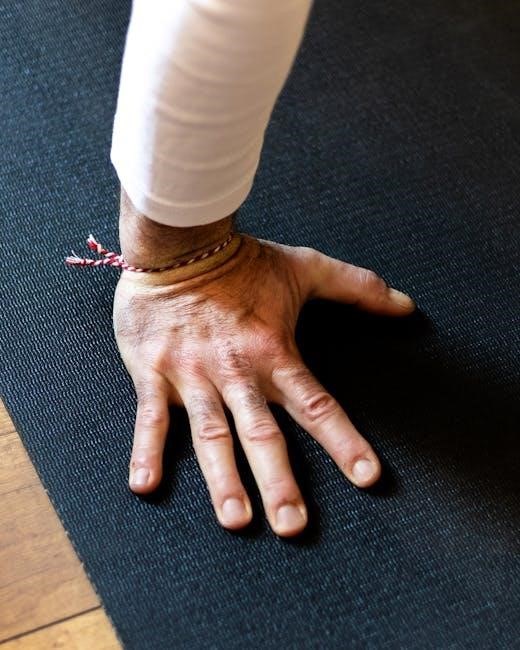
Exercises for Wrist Pain Relief
Wrist pain relief exercises, often found in a wrist exercises PDF, focus on gentle movements and stretches․ Printable PDF guides detail techniques for reducing inflammation and improving mobility․
Wrist Extension Stretch
Wrist extension stretches, commonly illustrated in a wrist exercises PDF, are vital for alleviating pain and improving flexibility․ To perform this stretch, extend your arm forward with your palm facing down․
Gently bend your wrist downwards, pointing your fingers towards the floor․ Use your opposite hand to apply gentle pressure to the back of your hand, increasing the stretch․
Hold this position for approximately 15-30 seconds, ensuring you feel a comfortable stretch along the top of your forearm․ Repeat this exercise several times throughout the day․
Printable PDF guides often emphasize maintaining a relaxed hand and avoiding any sharp or intense pain․ Proper form is crucial to prevent further injury․ This stretch targets the muscles on the top of the forearm, counteracting repetitive motions․
Wrist Flexion Stretch
Wrist flexion stretches, frequently detailed in a wrist exercises PDF, are essential for counteracting movements that extend the wrist․ Begin by extending your arm forward, with your palm facing upwards․
Gently bend your wrist downwards, pointing your fingers towards the floor․ Utilize your opposite hand to gently pull your fingers towards your body, deepening the stretch․
Maintain the stretch for 15-30 seconds, focusing on a comfortable sensation along the underside of your forearm․ Repeat this exercise multiple times daily․
Many printable PDF resources highlight the importance of a relaxed hand and avoiding any sharp discomfort․ Correct form is key to maximizing benefits and preventing injury․ This stretch specifically targets the muscles on the inner forearm, promoting balance and flexibility․
Radial and Ulnar Deviation Stretches
Radial and ulnar deviation stretches, commonly found in wrist exercises PDF guides, address side-to-side wrist movement․ Extend your arm forward, palm down․ Gently bend your wrist towards your thumb (radial deviation), using your other hand to enhance the stretch if needed․
Hold for 15-30 seconds, feeling the stretch along the outer forearm․ Repeat, bending your wrist towards your little finger (ulnar deviation), again using assistance if desired․
These stretches, often illustrated in printable PDF resources, improve wrist range of motion and alleviate tension․
Focus on a gentle, controlled movement, avoiding any sharp pain․ Performing both deviations ensures balanced muscle development․ Consistent practice, as outlined in many exercise programs, is vital for maintaining wrist health and preventing imbalances․

Strengthening Exercises for Wrists
Strengthening exercises, detailed in a wrist exercises PDF, build forearm and hand muscle endurance․ PDF guides often include wrist curls and finger extensions․
These routines enhance grip strength and stability, crucial for daily tasks and injury prevention․
Wrist Curls with Weights
Wrist curls with weights, commonly illustrated in a wrist exercises PDF, are a foundational strengthening exercise․ To perform, sit with your forearm resting on a flat surface – a table or your thigh – with your wrist extending beyond the edge․
Hold a light dumbbell (start with 1-5 lbs) in your hand, palm facing up․ Slowly lower the weight by flexing your wrist, then curl it back up, focusing on controlled movement․ PDF guides emphasize maintaining a stable forearm throughout the exercise․
Perform 3 sets of 10-15 repetitions․ Variations include using a barbell or resistance bands․ Proper form is vital to avoid strain; avoid using excessive weight initially․ Many printable PDF resources demonstrate correct technique, highlighting the importance of isolating the wrist muscles․ This exercise targets the forearm flexors, improving grip strength and wrist stability․
Remember to consult a healthcare professional before starting any new exercise program․
Reverse Wrist Curls
Reverse wrist curls, frequently detailed in a comprehensive wrist exercises PDF, target the muscles on the top of your forearm – the wrist extensors․ Similar to standard wrist curls, begin by sitting with your forearm supported on a flat surface, like a table or your thigh․
However, for reverse curls, your palm should face down․ Hold a light dumbbell and allow it to lower towards the floor by extending your wrist․ Then, curl the weight back up, concentrating on a controlled motion․ PDF guides often stress maintaining a stable forearm position․
Aim for 3 sets of 10-15 repetitions․ Start with a light weight and gradually increase it as your strength improves․ Printable PDF resources often include visual aids demonstrating proper form․ This exercise is crucial for balancing forearm strength and preventing imbalances․
Always prioritize proper technique over lifting heavy weights to avoid injury․ Consult a medical professional before beginning any new exercise routine․
Finger Extension Exercises
Finger extension exercises, commonly found within a detailed wrist exercises PDF, are vital for maintaining dexterity and strength in your hands and fingers․ These exercises counteract the often-repeated flexing motions we perform daily, preventing stiffness and promoting healthy joint function․

A simple exercise involves placing a rubber band around all your fingers and then extending them outwards against the resistance of the band․ Printable PDF guides often illustrate this clearly․ Hold the extended position for a few seconds before slowly releasing․
Another variation involves placing your hand flat on a table and lifting each finger individually, maximizing the extension․ Aim for 3 sets of 10-15 repetitions for each exercise․ Wrist exercises PDF resources emphasize controlled movements․
These exercises are particularly beneficial for individuals recovering from wrist or hand injuries, or those experiencing conditions like arthritis․

Exercises for Forearm and Wrist Flexibility
Wrist exercises PDF guides detail pronation/supination, forearm stretches, and range-of-motion exercises․ These movements enhance flexibility, reduce stiffness, and improve overall hand function․
Pronation and Supination Exercises
Pronation and supination exercises, frequently illustrated in a wrist exercises PDF, are vital for comprehensive forearm and wrist mobility․ These movements involve rotating your forearm, turning your palm down (pronation) and then up (supination)․
To perform pronation, keep your elbow bent at 90 degrees and close to your body․ Slowly rotate your forearm so your palm faces down․ For supination, reverse the motion, turning your palm upwards․ Many printable PDF guides recommend performing these exercises slowly and controlled, focusing on the full range of motion․
A wrist exercises PDF may suggest using a light weight, like a can of soup, to add resistance as your strength improves․ It’s crucial to avoid any pain during these exercises; stop immediately if discomfort arises․ Consistent practice, as outlined in a detailed PDF, will enhance forearm rotation and improve grip strength․
Forearm Stretch
A detailed forearm stretch is often included in a comprehensive wrist exercises PDF, addressing muscle imbalances that contribute to wrist pain․ These stretches target the muscles on both the palm and back of your forearm, improving flexibility and reducing tension․
One common stretch, detailed in many printable PDF guides, involves extending your arm straight out, palm down․ Gently bend your wrist downwards, using your other hand to increase the stretch․ Hold for 15-30 seconds․ Repeat with your palm facing up, bending your wrist upwards․
A good wrist exercises PDF will emphasize maintaining a relaxed shoulder and elbow during the stretch․ It’s important to feel a gentle pull, not pain․ Regularly performing these stretches, as demonstrated in a PDF, can significantly improve forearm flexibility and alleviate discomfort associated with conditions like carpal tunnel syndrome․
Hand and Wrist Range of Motion Exercises
Hand and wrist range of motion exercises are foundational components of any effective wrist exercises PDF․ These exercises, frequently illustrated in printable PDF guides, aim to restore and maintain the full spectrum of movement in your hand and wrist joint, preventing stiffness and improving functionality․
A typical wrist exercises PDF will demonstrate movements like making a fist and then fully extending your fingers․ Gentle wrist circles – clockwise and counterclockwise – are also common․ Another exercise involves bending your wrist up and down, and side to side (radial and ulnar deviation)․
These exercises, as detailed in a quality PDF, should be performed slowly and deliberately, focusing on controlled movements․ A good wrist exercises PDF will advise stopping if you experience any pain, and emphasize consistency for optimal results․

Passive Wrist Exercises
Passive wrist exercises, often found within a wrist exercises PDF, involve an external force gently moving your wrist through its range of motion․
These are beneficial when self-movement is limited, as detailed in many printable PDF guides․
Passive Wrist Extension
Passive Wrist Extension, frequently illustrated in a comprehensive wrist exercises PDF, is a crucial component of rehabilitation, particularly after injury or surgery․ This exercise involves another person gently bending your hand upwards at the wrist, while you remain relaxed․
Many printable PDF guides recommend performing this exercise several times daily, holding the stretched position for a specified duration – often around 15-30 seconds – as indicated within the document․ It’s vital to avoid any pain during the movement; the stretch should be gentle and comfortable․
The guide will likely emphasize the importance of proper positioning: resting your forearm on a table with your hand extending beyond the edge facilitates the exercise․ This technique helps restore range of motion and prevent stiffness, as detailed in rehabilitation protocols found in these PDFs․ Remember to consult a healthcare professional before starting any new exercise program․
Passive Wrist Flexion
Passive Wrist Flexion, commonly detailed within a wrist exercises PDF, is a gentle technique used to improve wrist range of motion․ This exercise requires assistance; a therapist or caregiver will slowly bend your wrist downwards, towards your palm, while you keep your muscles relaxed․
A typical printable PDF guide will instruct you to hold this flexed position for a prescribed time, usually between 15 and 30 seconds, repeating the process several times throughout the day․ It’s crucial to communicate any discomfort to the person assisting you, ensuring the stretch remains pain-free․
These PDFs often highlight the importance of supporting the forearm during the exercise, typically on a table or pillow․ This minimizes strain and maximizes the effectiveness of the stretch․ Consistent practice, as outlined in the PDF, aids in regaining flexibility and reducing stiffness, particularly after injury or surgery․

Creating a Wrist Exercise PDF
Wrist exercise PDFs require clear instructions, illustrations, and safety guidelines․ A well-formatted PDF ensures accessibility and promotes correct form for optimal results and injury prevention․
Essential Information to Include
A comprehensive wrist exercise PDF must begin with a clear disclaimer advising consultation with a healthcare professional before starting any new exercise regimen․ Include detailed, step-by-step instructions for each exercise, accompanied by high-quality images or illustrations demonstrating proper form․
Specify the number of repetitions (reps) and sets for each exercise, along with recommended hold times for stretches․ Detail the frequency – how many times per day or week the routine should be performed․
Categorize exercises based on their purpose: warm-up, strengthening, flexibility, or specific condition (like carpal tunnel)․ Add safety precautions, emphasizing the importance of stopping if pain occurs․
Consider including a section on proper posture and body mechanics during exercises․ Finally, a brief explanation of the benefits of each exercise and the muscles targeted will enhance the PDF’s educational value․
Formatting Your PDF for Clarity
When creating a wrist exercise PDF, prioritize readability․ Utilize a clear, sans-serif font with a sufficient size (12pt is recommended)․ Employ headings and subheadings to break up text and guide the user․ Ample white space prevents a cluttered appearance․
Images or illustrations are crucial; ensure they are high-resolution and clearly demonstrate each exercise․ Number exercises sequentially for easy following․ Use bullet points or numbered lists for instructions and precautions․
Consider color-coding sections – for example, warm-up exercises in blue, strengthening in green․ A table of contents with clickable links enhances navigation․
Maintain consistent formatting throughout the document․ Before finalizing, proofread carefully for errors․ A well-formatted PDF improves user engagement and ensures exercises are performed correctly․
Resources for Printable Wrist Exercise PDFs
Numerous online resources offer downloadable wrist exercise PDFs․ Several healthcare providers and physiotherapy clinics provide free guides on their websites, often tailored to specific conditions like carpal tunnel syndrome․
Websites specializing in rehabilitation exercises frequently host comprehensive PDF documents․ Searching for “hand and wrist exercises PDF” yields many results, but verify the source’s credibility․
PDF search engines can also pinpoint relevant documents․ Consider exploring resources from reputable medical institutions or organizations focused on hand therapy․
Always review the exercises with a healthcare professional before starting a new routine․ Ensure the PDF includes clear instructions, illustrations, and safety precautions․ Remember, a printable PDF is a tool, and professional guidance is essential․